
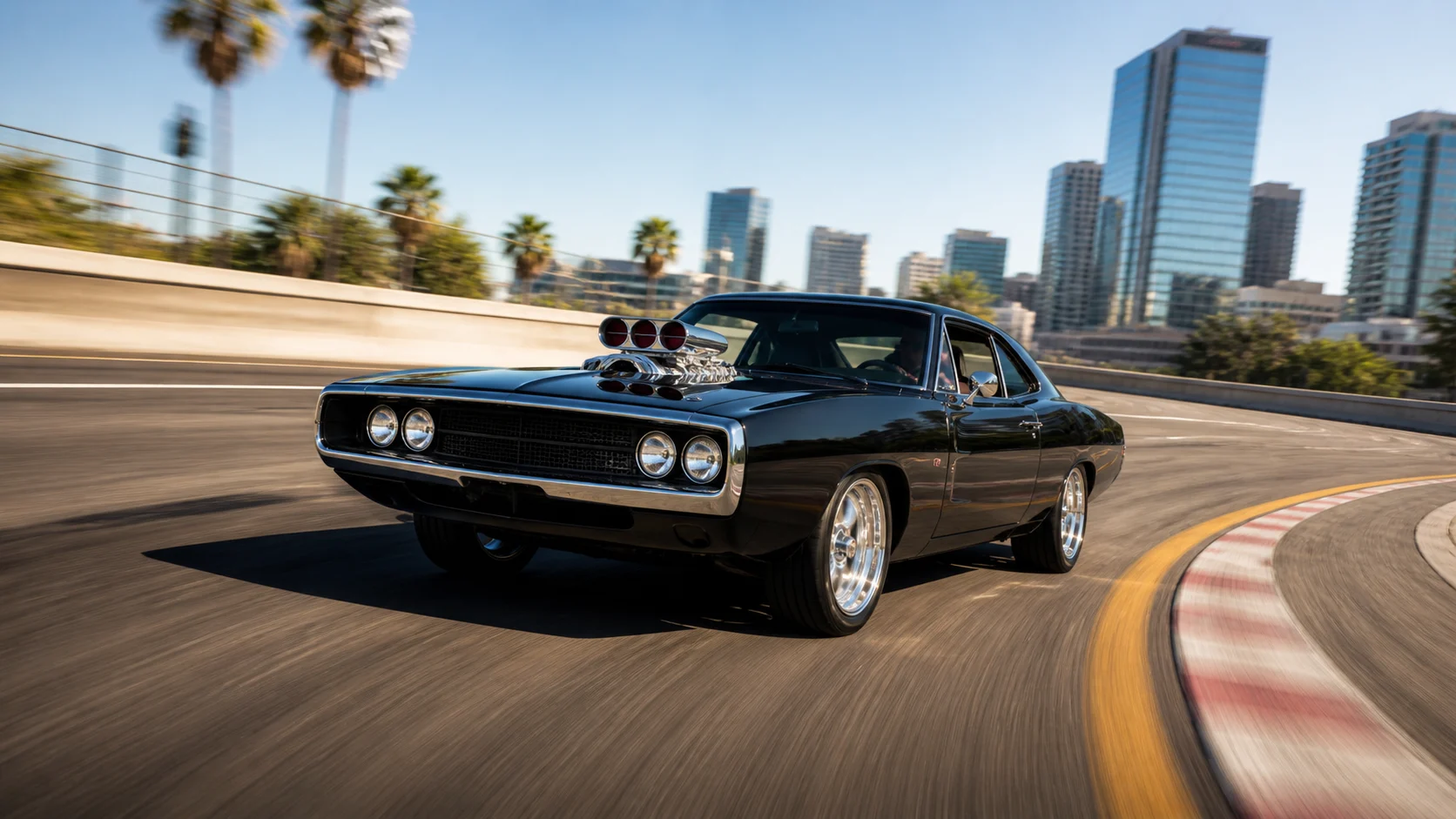
dodge charger r/t legendary B-body muscle car—the 1970 Dodge Charger RT—was built to make a statement. Since its debut, over the past 50 years, it has become one of the most recognized cars in film history and an example of good engineering from the U.S. For many fans, the 1970 Dodge Charger is the epitome of the “coke bottle” design language, culminating in a very aggressive manner.
On the outside, the 1970 Dodge Charger RT has an enormous chrome-wrapped front bumper. Under its hood lies an equally massive 440 cubic inch Magnum V8 engine. The R/T (Road/Track) badge guaranteed that the 1970 Dodge Charger RT would dominate both on the street and in racing events. Whether they are racing on the drag strips of America or showing it off in luxury garages throughout the UAE, collectors all over are in search of the R/T.
The Legacy of the 1970 Dodge Charger RT
The 1970 Dodge Charger RT has become synonymous with the Fast and Furious movie franchise and, as Dominic Toretto’s (played by Vin Diesel) primary vehicle, is also his signature vehicle. In the early 2000s, the R/T was a classic symbol of American muscle, or “Detroit Muscle,” and a counterweight to the high-performance Japanese import vehicles that had taken control of the automotive market.

A Symbol of Legacy and Fear
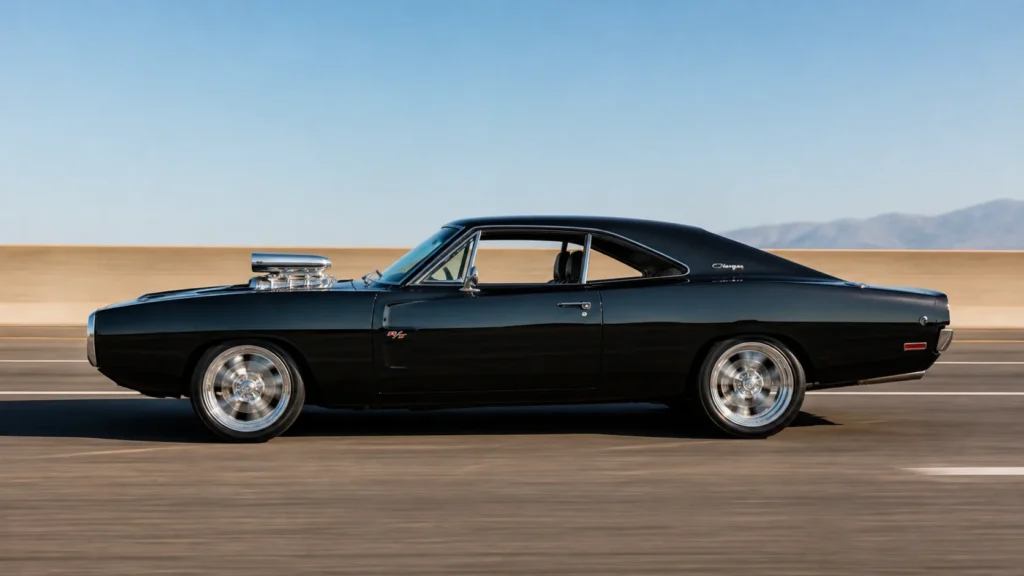
The dodge charger r/t a 900 horsepower monster, is both a symbol of power for Dom and the tragedy he endured when he lost his father.
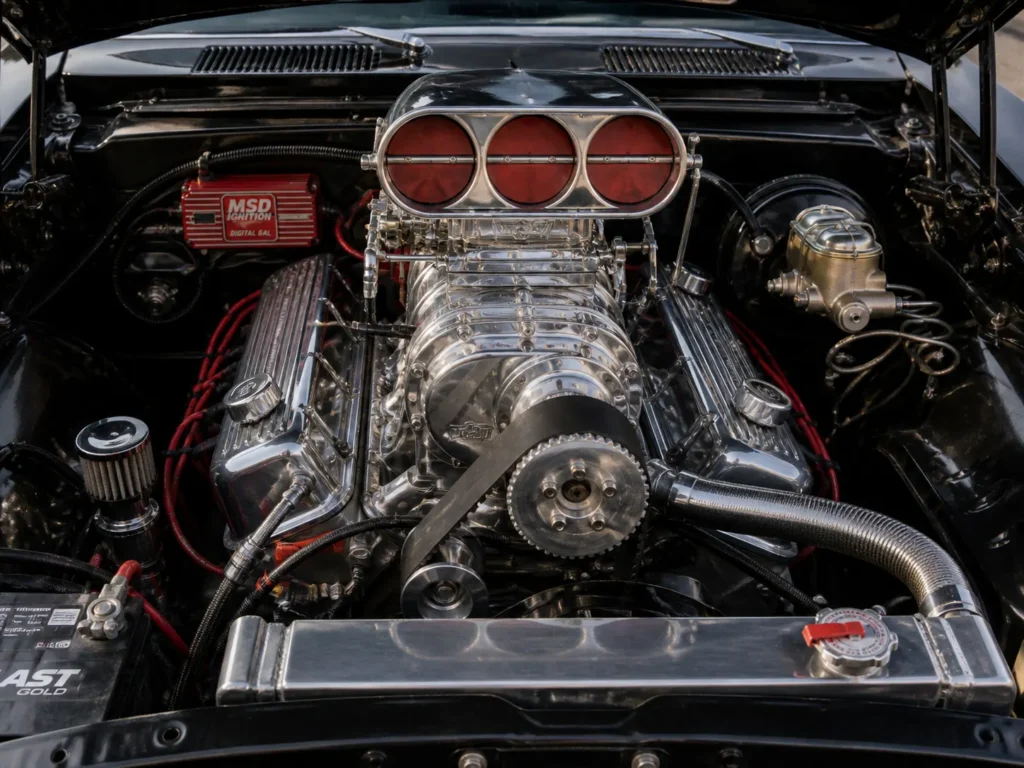
The massive BDS 8-71 Roots-style blower sticking through the hood visually represents brute strength, signifying the power of Dom’s unrestrained actions and the memories he carries with him after losing his father.
The Iconic “Wheelie” Moment
The most iconic stunt in the film is Dom’s massive power wheelie during the final race when he’s against Brian O’Conner’s Supra. One stunt visually demonstrated the torque of the dodge charger r/t and cemented its status as an international symbol of muscle while also creating a bridge between die-hard, old-fashioned muscle car enthusiasts and a new generation of car lovers.
Performance, Top Speed, and Fuel Economy
While the 1970 Dodge Charger RT was considered fast by the standards of the time, it was still aerodynamically restrained when compared to its counterpart, the Daytona.
| Feature | 440 Magnum Specs | 426 Hemi Specs |
| 0-60 mph | ~6.0 Seconds | ~5.2 Seconds |
| Top Speed | 131 mph (211 km/h) | 150+ mph (241 km/h) |
| EPA-Estimated MPG | ~8–10 MPG (Combined) | ~6–8 MPG (Combined) |
| Transmission | 3-Speed TorqueFlite Auto / 4-Speed Hurst Manual | 4-Speed Manual / 3-Speed Auto |
| Drive Type | RWD | RWD |
Note on Fuel Economy: In 1970, EPA fuel efficiency ratings did not exist as they do today. dodge charger r/t Therefore, it is generally accepted that when tested on today’s standards, the original cars would yield around 10 mpg combined. This car has been designed for “smiles per gallon,” not miles per gallon.
Detailed Engine & Powertrain Specifications
The Dodge R/T models were all considered “high-performance” vehicles. For the model year 1970, Dodge went wild by offering up 3 principal “power sources.”
- The 440 Magnum V8 (Standard R/T):
The 440 Magnum V8 had the distinction of being the primary powerhouse for the dodge charger r/t designation. It was built to give drivers effortless high-speed cruising and dependable power without the constant maintenance associated with high-rpm racing engines. The single four-barrel carburetor produced 480 lb-ft of torque, enabling an extremely heavy-bodied vehicle to have an incredible amount of agility.
- The 440 Six-Pack:
For those who want to go beyond just driving fast, the 440 Six Pack was the ultimate choice for street racers and very aggressive driving. dodge charger r/t The 440 Six Pack was setup with three Holley two-barrel carburetors mounted on top of an Edelbrock intake manifold. Under normal driving conditions only the center carburetor would be used for better fuel mileage, but if you needed to accelerate quickly, all three carburetors would be used, and you would have a neck-snapping increase of 390 hp at any stoplight.
- The 426 Hemi (The Elephant Engine):
The 426 Hemi is one of the most famous engines in muscle car history. It is called an “elephant” engine because it has hemispherical combustion chambers. The 426 Hemi was really just a dialed-down race engine, and it was almost never produced due to its physical size and high cost to produce. The 426 Hemi’s ratings (425 hp) were based on what insurance companies would allow so they could sell cars that had them (although the actual performance of the 426 Hemi made it the fastest car at the drag strip).
1970 Dodge Charger RT Engine Specifications Table
| Feature | 440 Magnum (Standard) | 440 Six-Pack | 426 Hemi (The Elephant) |
| Engine Type | Chrysler RB-Series V8 | Chrysler RB-Series V8 | Chrysler Hemi V8 |
| Induction System | 1×4-Barrel Carburetor | 3×2-Barrel Carburetors | 2×4-Barrel Carburetors |
| Horsepower | 375 hp | 390 hp | 425 hp (Nominal) |
| Torque | 480 lb-ft | 490 lb-ft | 490 lb-ft |
| Compression Ratio | 9.7:1 | 10.5:1 | 10.25:1 |
| Drive System | RWD (Rear-Wheel) | RWD (Rear-Wheel) | RWD (Rear-Wheel) |
| Powertrain Make | Chrysler Mopar | Chrysler Mopar | Chrysler Mopar |
The Exterior: The Silhouette of Power
The 1970 dodge charger r/t is considered the top of the second-generation Charger. Charger models from 1968 and 1969 have earned their place in history, but the 1970 model of Charger has an unmatched level of bold and sophisticated aggressiveness.
The Signature Wraparound Front Grille
dodge charger r/t placed a large, chrome front bumper into one seamless piece (instead of using a split grille for the previous year’s models) that held the “electric shaver” hidden headlights. The headlights are actually on a rotating mechanism, and they rotated to position when the car was turned on. This design gives the car a wider, meaner-looking “open mouth” style than its predecessors did, and it also appears much more contemporary than any of the earlier cars.
The Iconic Scat Pack Stripes
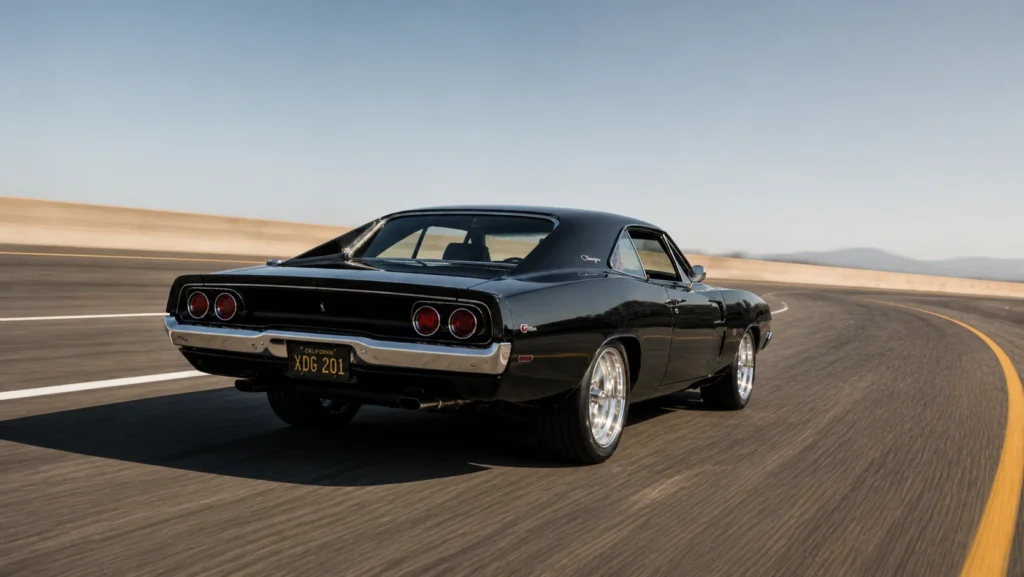
In order to mark the R/T model’s performance level from the rest of the class, Dodge used the Scat Pack logo/branding as standard on all R/T models. The Scat Pack also included distinctive “bumblebee” stripes that were vertically applied to the rear quarter panels of the car. In addition, “longitudinal” stripes running horizontally on the car’s beltline were added to the 1970 R/T model. Standard High Impact colors (like Sublime, Plum Crazy, and Top Banana) made the exterior of the 1970 R/T model impossible to ignore.
Stance and Wheels
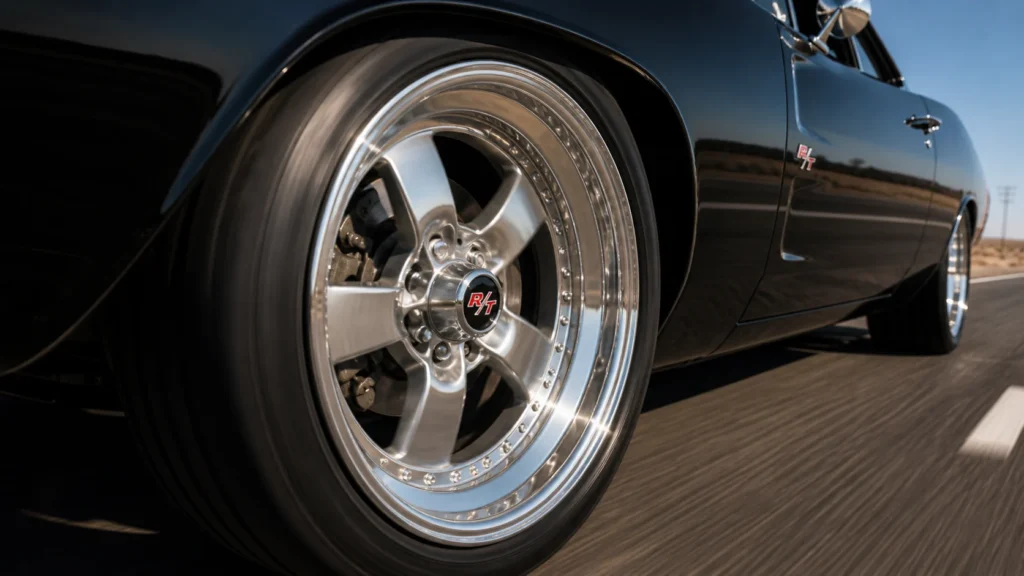
The Charger’s stance was dictated by the wheel choices made available to the buyer. All the base model Chargers were fitted with standard 14-inch steel wheels with “dog dish” hubcaps, while R/T models frequently used the optional 15-inch Rallye wheels, which had a deep-dish type face with a brushed metal trim around the edge and a dark-painted center cap and offered an aggressive, track-ready appearance that filled out the inside of the fenders.
Interior: The Cockpit of a Pilot
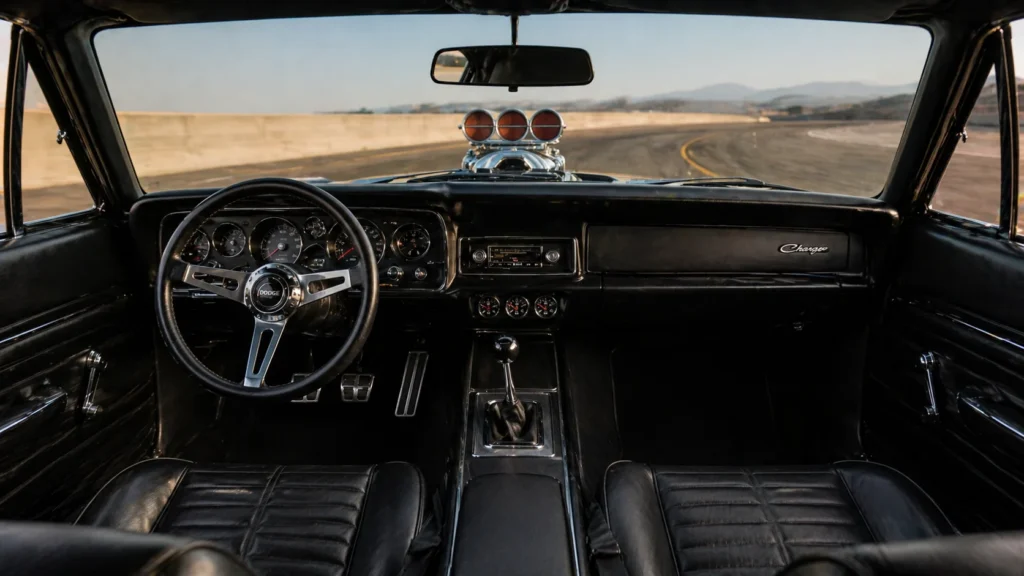
While designed to intimidate on the outside, the Dodge Charger RT 1970 is designed for driver involvement on the inside, with an unexpected amount of comfort and luxury combined with racing capabilities.
High-back Bucket Seats
1970 saw the introduction of high-back bucket seats as a significant improvement in interior design from previous model years. These new high-back bucket seats now had the head support built into the seatback versus an additional cushion added to the low-back designs of the previous model years, therefore offering a more contemporary style and greater support for the neck and back, especially considering how much G-force is generated when accelerating hard and cornering with either the 440 or the Hemi engines.
The Hurst Pistol Grip Shifter
One of the most iconic interior features found in a Mopar vehicle is the Hurst Pistol Grip Shifter, which came as standard equipment on all four-speed manual R/T Models. Its vertical handle is designed to contour to the driver’s hand for quicker and easier shifting. The wood inlay provides a luxurious touch to what was otherwise a very powerful piece of machinery.
Premium Dash & Materials
The 1970s dash is a great example of functional design. The driver-centric layout and available Tick-Toc-Tach (a clock combined with a tachometer) provide a unique experience for each driver.
- Woodgrain Trim: Walnut woodgrain simulated vinyl was used to enhance the look of the interior and provide a more upscale appearance.
- SE (Special Edition) Trim: For those who desire even more comfort, the SE trim provides such items as leather-covered bucket seats, pedal cover kits, and additional sound insulation.
Summary Table: Exterior & Interior Highlights
| Category | Feature | Description |
| Grille | Electric-Shave | Full-width chrome wraparound with hidden headlights. |
| Wheels | 15″ Rallye | Optional performance wheels with trim rings. |
| Seating | High-Back Buckets | New for 1970; increased safety and lateral support. |
| Control | Pistol Grip | Vertical Hurst shifter for 4-speed manual models. |
| Visuals | Scat Pack | Bumblebee or longitudinal stripes on the rear/sides. |
| Aesthetics | Woodgrain | Walnut-finish trim on dash and console (standard on SE). |
Market Price Today: USA vs. UAE
The market for a 1970 Dodge Charger RT has increased massively in the last 10 years due to its relative scarcity and the fact that it has been featured in films.
USA Pricing
The price of a 1970 Dodge Charger RT in the USA fluctuates greatly depending on what engine is installed (440 vs. Hemi) and how well the vehicle is restored.
- Driver Quality (Restored): $85,000 to $120,000
- Concours/MINT Condition: $150,000 to $250,000
- Original 426 Hemi R/T: $350,000+
UAE Pricing
The market for a 1970 Dodge Charger RT in the UAE (Dubai and Abu Dhabi specifically) primarily revolves around importing these vehicles as collectible high-end prestige items.
- Estimated Price Range: AED 312,000 to AED 920,000+
Disclaimer: These prices are based on estimated recent auction results (e.g., Bring a Trailer, Barrett-Jackson). For live pricing & current availability, please check automotive consignment houses’ or authorized classic car dealers’ websites.
Who Owns the Legend?
While thousands of enthusiasts own various trims of the 1970 Charger, high-profile owners have included:
Vin Diesel: The Face of the Charger
Vin Diesel’s portrayal of Dominic Toretto is famous for his well-known black 1970 Charger R/T. However, his relationship to the black Charger goes much beyond this cinematic history. Diesel has received a one-off, 1650-horsepower custom-built Charger called the “Tantrum” from the Fast and the Furious franchise as a birthday gift. In addition, Diesel’s personal affinity for the 1970 Dodge Charger RT has transformed it into a beloved global symbol of family and power.
Kevin Hart: The “Hellraiser” Custom
Kevin Hart, the comedian, has one of the most widely known and admired restomods ever constructed in history, a 1970 Dodge Charger RT called the “Hellraiser.” Built by SpeedKore, the Charger features a carbon-fiber body and a powerful 7.0L Hellephant crate engine capable of producing a jaw-dropping 1000 horsepower. As a result, this car blends classical 1970 Charger design elements with modern supercar performance while incorporating “next level” luxury.
Ralph Gilles: The Designer’s “Hellucination”
As the Chief Design Officer and executive head of design for Stellantis (formerly FCA), Ralph Gilles has a keen eye for automotive excellence. His personal 1970 Dodge Charger RT, known as “Hellucination,” has been completely constructed from carbon fiber by SpeedKore. In addition, the “Hellucination” Charger is powered by the Hellephant engine (1000 HP), which represents Gilles’ ultimate vision for the Charger. Gilles’ vision encompasses a lightweight, high-technology tribute to the rich history of Mopar automobiles.
Final Words
The iconic 1970 Dodge Charger RT was not just another car; it’s one of the founding fathers of American muscle cars. When you think of Dodge, think of this car. This powerful machine has established a presence in both auctions and on the road for over 40 years. If you want a car that has real significance in history, is collectible, has a strong emotional connection, and will hold value for years to come, then you have found your answer with the 1970 Dodge Charger RT.
FAQs
Q. What is the top speed of the 1970 Dodge Charger RT?
The maximum speed for the 1970 Dodge Charger RT is approximately 140 – 150 mph, depending on the engine.
Q. How much horsepower does the 1970 Charger RT have?
The horsepower of the 1970 Charger RT can range from 375 hp for the 440 magnum to 425 hp for the 426 hemi.
Q. What engine does the 1970 Dodge Charger RT use?
The 1970 Charger R/T would have a 440 or a 426 hemi engine option.
Q. What is the price of a 1970 Dodge Charger RT today?
The current marketplace for the 1970 Charger RT would range from $70,000 to $250,000 (AED 260,000 to AED 920,000) based on the condition of the vehicle.
Q. Is the 1970 Dodge Charger RT a good investment?
The 1970 Charger R/T is considered a premium-quality collector car and has shown a steady appreciation over the past years, particularly the hemi models.
Disclaimer:The specifications, performance data, and pricing for the 1970 Dodge Charger RT are for informational purposes only. Values may vary based on condition, originality, and market trends. Prices listed in USD and AED are estimates. For accurate details, consult authorized dealers, auction platforms, or official automotive sources.